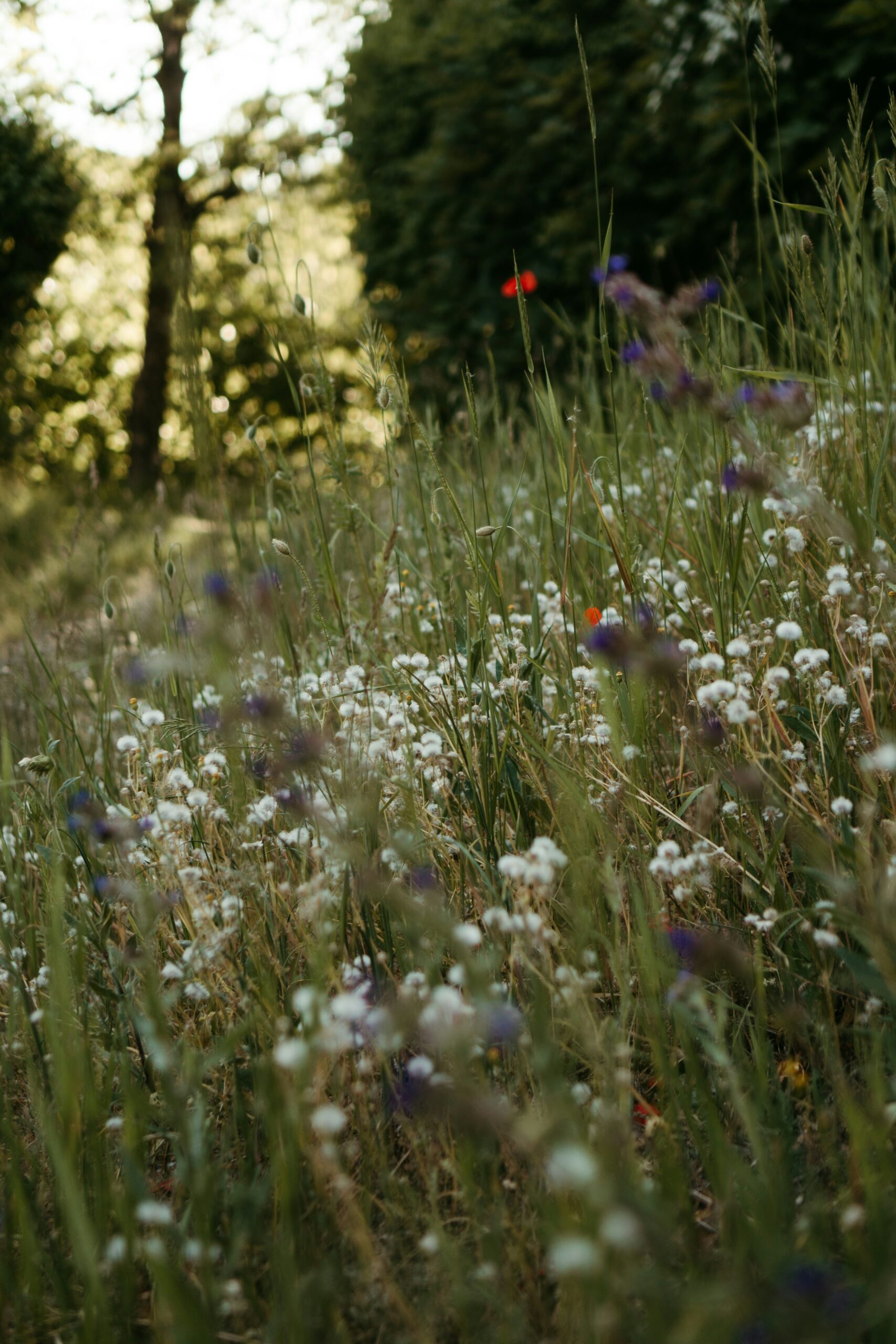
NEW YORK, NY — A burgeoning trend in décor and floristry is moving away from rigid, formal bouquets, embracing instead the spontaneous beauty of the natural landscape. Known as the wild meadow style, this approach seeks to replicate the look of a recently gathered armful of blooms from an untamed field, prioritizing organic shapes, uneven textures, and seasonality over meticulous symmetry.
This style, increasingly visible in modern weddings, high-end commercial spaces, and home interiors, offers a distinct departure from traditional arrangements that rely on dense clusters and uniform heights. The core philosophy of wild meadow arrangements is informed by the inherent chaos and charm of nature, making them uniquely dynamic and personalized.
The Aesthetic of Imperfection
The hallmark of the meadow aesthetic is its informal, airy structure. Instead of tightly bound forms, these arrangements feature loosely placed elements that allow light and movement to pass through. Key characteristics defining the style include a deliberate mix of heights, ensuring that some stems stand tall while others gently cascade.
Central to achieving this look is the careful selection of materials that mirror the diversity of a natural ecosystem. Successful arrangements incorporate not just classic flowers, but a wide array of supporting textures: grasses like feather grass or oat stems, delicate fillers such as Queen Anne’s lace or chamomile, and textural elements like seed pods, thistles, and berries. This botanical breadth ensures depth and visual interest far beyond a standard rose bouquet.
“It’s about translating a moment in nature into a vase,” explains Flora Chen, a noted floral designer specializing in sustainable events. “You must let go of the pressure to make everything perfect. An imperfect, slightly wilting stem or an unexpected burst of grass adds realism and soul.”
Cultivating the Wild Look
Crafting an authentic wild meadow arrangement requires a specific, intentional process that begins long before the stems hit the water.
Preparation is paramount:
- Conditioning: Stems must be trimmed at a sharp angle immediately, and any foliage that would sit below the water line should be removed to prevent bacterial growth. A few hours of hydration in clean water is essential before arranging.
- Materials: Essential tools are few, focusing mainly on sharp shears and twine, though clear glass vases best showcase the stems’ organic movement. Traditional floral foam is often avoided in favor of more natural structural supports.
- Sourcing: Opting for seasonal and local blooms ensures the arrangement accurately reflects the current ecosystem and adds an element of authenticity.
When beginning the arrangement, designers recommend starting with a loose base of foliage and grasses to establish structure and then introducing height markers—the tallest blooms—to guide the eye. Mid-sized flowers fill the gaps, while delicate accents and trailing elements are reserved for the end, creating an appealing dance of texture. The goal is to rotate the vase frequently, ensuring the design is balanced but never symmetrical.
Color palettes for this style range versatility. A Soft Meadow palette favors whites, creams, and pale blues for a serene look, while a Vibrant Wild palette incorporates intense yellows, oranges, and deep purples, reflecting the intense colors of late summer.
Beyond the Vase: Display and Care
The presentation of the wild arrangement is nearly as important as its contents. Rustic jars, simple glass bottles, or vintage pitchers reinforce the effortless feel. For large spaces, experts suggest utilizing multiple small vases rather than a single, imposing bouquet. This technique, labeled the “spread-out meadow” effect, effectively disperses the beauty and mimics a field extending across a surface.
To maximize the life of these untamed beauties, consistent care is required. Changing the water every two to three days and re-trimming the stems slightly at each refresh are critical steps. Furthermore, keeping the arrangements away from direct sunlight and drafts will ensure the delicate flowers and grasses retain their vibrant energy longer.
The popularity of the wild meadow style signifies a broader cultural shift toward accepting natural aesthetics and imperfect beauty, grounding the temporary display in a deep appreciation for the landscape.