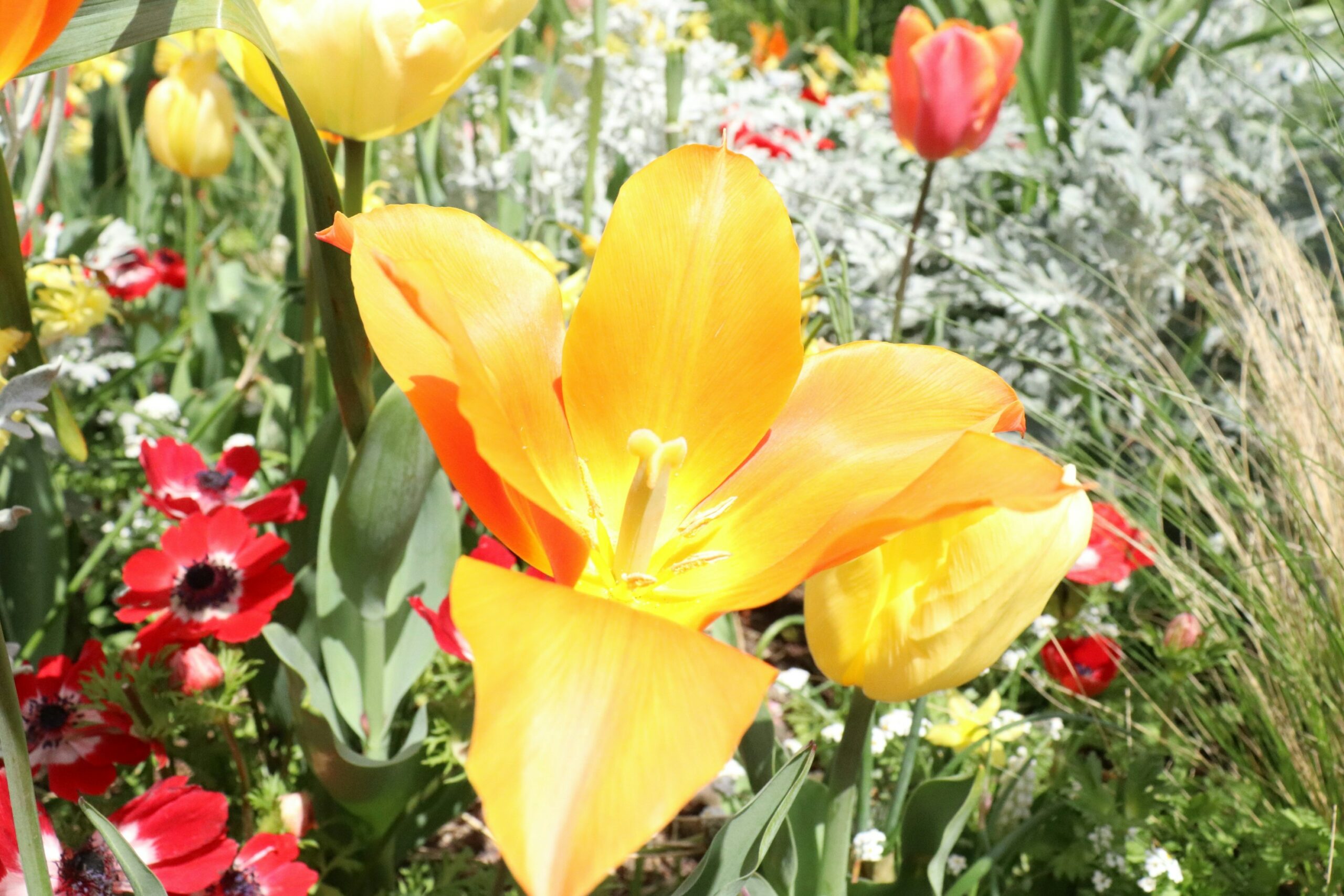
The emergence of spring signals the annual awakening of gardens across the hemisphere, offering seasoned horticulturists and novice planters alike a prime opportunity to transform outdoor spaces with color and scent. This transformative season demands strategic flower selection and careful cultivation crucial for ensuring continuous blooms from the first thaw through early summer. Success hinges on matching plant variety to specific climate, soil composition, and light exposure.
Selecting the Right Blooms for Early Impact
While the impulse to begin planting can be strong, knowing which varieties excel in cool spring soil is key to a flourishing display. Bulb flowers, historically synonymous with the season’s commencement, offer striking visuals with relatively minimal maintenance.
- Tulips and Daffodils: The Spring Vanguard: Few flowers herald spring’s arrival more effectively than tulips and daffodils. Tulips, prized for their elegant, chalice-shaped blooms, require well-drained soil and full sun exposure. Gardeners should plant bulbs deep (six to eight inches) in clusters rather than rigid rows for a more naturalized effect. Similarly, daffodils offer cheerful, trumpet-shaped flowers and are notably hardy and resistant to common garden pests like deer and rodents. To maximize the duration of the display, experts recommend layering different varieties—early, mid, and late-season bloomers—to stagger flowering times. Crucially, whether cultivating tulips or daffodils, the foliage must be allowed to yellow and die back naturally after blooming; this process is vital for replenishing the bulb with the energy required for the following year.
- Hyacinths: Fragrance and Form: For those prioritizing scent, hyacinths deliver a potent, sweet aroma paired with vibrant, tightly packed flower spikes. These bulbs thrive in sunny, well-draining spots. Proper spacing is necessary to ensure adequate airflow and prevent bulb rot. Their strong fragrance makes them excellent companions for visually focused displays of tulips and daffodils.
Early Color and Low-Maintenance Options
Beyond traditional bulbs, several small flowering plants provide essential early-season color and are versatile anchors for containers and beds.
- Pansies and Violas: These smaller flowers are excellent choices for cooler spring weather, providing a wide palette of blues, yellows, and purples. Typically planted from seedlings once the soil slightly warms, pansies are resilient and tolerate temperatures that might deter other annuals. Regular deadheading (removing spent blooms) will promote consistent flowering.
- Primroses: Often among the first perennials to flower, primroses are ideal for shaded areas, preferring rich, moist soil. Their vivid, intense colors offer an early visual pop, and in mild climates, they often naturalize, returning annually with limited intervention.
Scaling Up: Integrating Annuals for Summer Longevity
To sustain a garden’s vibrancy beyond the initial flush of spring bulbs, integrating annuals that thrive into warmer weather is essential. These additions also increase garden utility and complexity.
- Marigolds: Pest Control and Color: Known primarily for their vibrant gold, orange, and red hues, marigolds serve a dual purpose: they are visually appealing and possess natural pest-repelling qualities. They thrive in full sun, tolerate less-than-perfect soil quality, and are excellent companion plants, particularly in vegetable gardens alongside tomatoes and peppers.
- Vertical Interest: For incorporating structure, snapdragons and sweet peas are excellent choices. Snapdragons provide tall, cheerful spires, perfect for borders. Sweet peas, meanwhile, are intensely fragrant climbing vines best suited for trellises or arbors, requiring vertical support and timely pruning to encourage bushy growth.
The Strategy for Continuous Bloom
Garden success in spring is fundamentally about timing, soil health, and consistent care. Most tender annual seedlings, such as marigolds, should be planted only after the threat of the last hard frost has passed. Soil preparation, often involving incorporating organic matter like compost, is critical for optimizing drainage and nutrient availability.
Ultimately, a dynamic spring garden involves a deliberate mix of early, mid, and late bloomers. By combining the quick, ephemeral beauty of bulbs with the sustained, vigorous growth of annuals like zinnias and cosmos—which seamlessly carry blooms into summer—gardeners can create a vibrant, living ecosystem that delights the senses and supports local pollinators through the entire growing season.