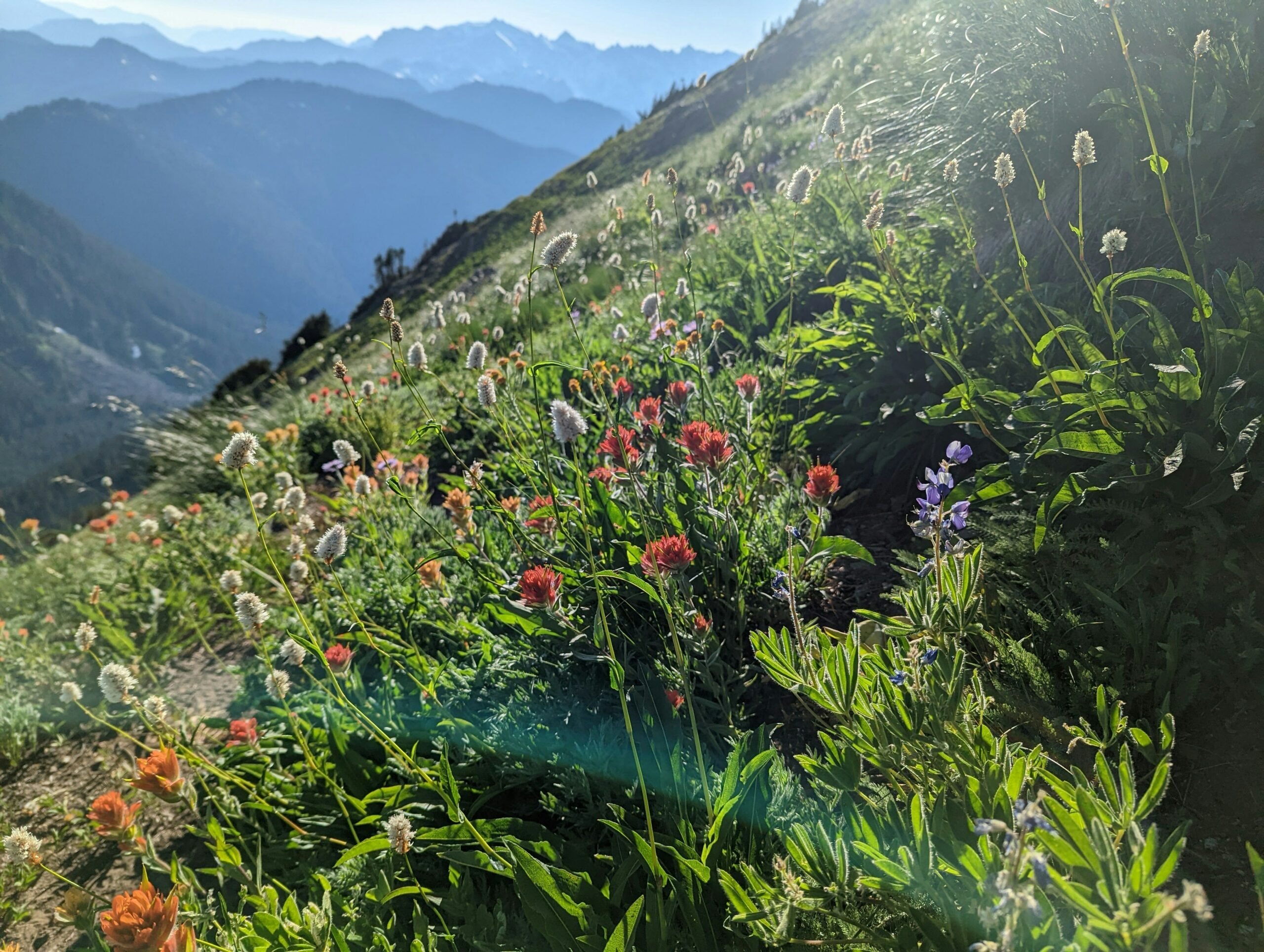
The quest for the wild peony offers botanists and travelers a profound journey into nature’s purest form, tracing evolution and beauty across rugged continents. Unlike their domesticated counterparts, these ancient plants maintain a subtle, earth-toned charm, meticulously sculpted by millennia of harsh climates and challenging terrains. For flower enthusiasts, observing these resilient blossoms in their natural habitats—from the towering Qinling Mountains of China to the limestone slopes of Spain—is less a casual trip and more a dedicated pilgrimage.
The genus Paeonia, revered for centuries, holds particular ecological significance in its wild state. These delicate flowers, found in hues of cream, pale yellow, and soft pink, act as living monuments to environmental perseverance, often thriving where other flora cannot. Their historical lineage is critical; many modern cultivated varieties descend directly from these wild ancestors, making the opportunity to observe them in situ a crucial connection to the plant’s biological and evolutionary past.
China: Cradle of Peony Diversity
China stands as the global epicenter of peony diversity, nurturing numerous species, including both tree and herbaceous types, within its vast mountainous regions. The Qinling and Daba mountain ranges in central China serve as vital sanctuaries. Here, the renowned Paeonia rockii blankets limestone slopes, its muted purple or white blooms frequently marked by delicate maroon speckles. These shy beauties, found at altitudes up to 2,800 meters, demand patience, rewarding the dedicated observer trekking through rugged, pine-scented environments.
Further northwest, Gansu province—specifically around Mount Taibai—exhibits wild tree peonies clinging precariously to jagged cliffs, emerging amid misty mornings. Meanwhile, the remote corners of northwestern Sichuan host the sparse Paeonia decomposita on rocky scrublands. Perhaps most elusive is Paeonia sterniana, which surfaces with pale pink flowers in the alpine tundra of southeastern Tibet’s Tsangpo Valley, underscoring the determination required to witness these botanical gems.
Central Asia and Europe: Adaptations to Extremes
The steppe lands and mountains of Central Asia harbor exceptionally hardy wild peonies. In the sprawling Altai Mountains across Kazakhstan and Russia, Paeonia anomala emerges from forest edges and meadows, quietly asserting itself amidst wild grasses, adapting perfectly to the harsh regional ecology. Further south, the formidable Tian Shan Mountains host Paeonia intermedia, showcasing its resilience on high-altitude rocky terrain shared by China, Kyrgyzstan, and Kazakhstan.
Europe contributes a distinct, albeit smaller, representation of wild peonies in the Mediterranean region. In the south of Spain, the Sierra de Grazalema protects Paeonia broteroi. This Western Iberian species flourishes in limestone soils under oak and pine canopies, providing a vibrant spring contrast against the sun-baked, earthy landscape between April and June.
Navigating the Bloom Season
Timing a viewing is crucial, as the bloom season shifts dramatically with elevation and location:
- China (Qinling & Gansu): Late April to early June, with peaks appearing later at higher altitudes.
- Central Asia (Altai & Tian Shan): May through July, heavily dependent on ascending elevation.
- Southern Europe (Grazalema): April to June, with blooms appearing earliest on lower slopes.
For those planning to embark on a wild peony expedition, preservation of the fragile environment is paramount. Ecologists strongly advise hiring knowledgeable local guides, dressing appropriately for challenging mountainous terrains, and adopting a strict leave-no-trace policy.
These encounters are more than photographic opportunities; they are profound reminders of the persistent artistry of the natural world. Witnessing a wild peony in its element offers a unique blend of adventure, history, and aesthetic wonder, confirming the flower’s role as a vital symbol of natural resilience that must be protected for future generations.