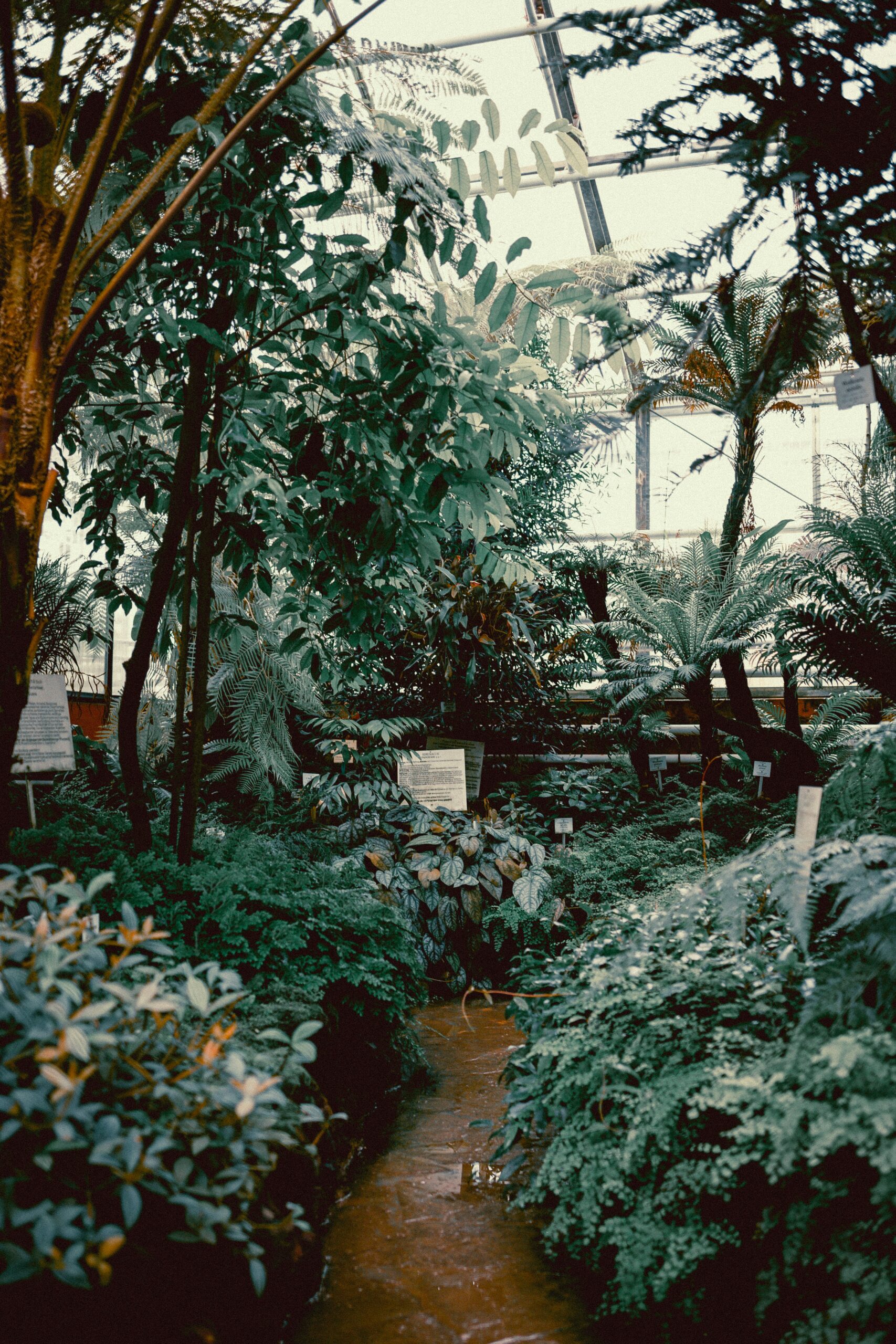
LONDON, December 14 — As winter weather descends across the northern hemisphere, often shrouding landscapes in frost and muted light, a common misconception persists that the world’s botanical gardens fall dormant. However, an emerging trend reveals major international gardens are transforming the cold months into periods of unique enchantment, offering weary city dwellers and discerning travelers quiet, contemplative escapes filled with surprising blooms, tropical humidity, and spectacular light displays.
From the renowned glasshouses of Europe to the ancient plum orchards of Japan and the illuminated pathways of North America, these institutions prove that the beauty of winter is anything but bleak. By focusing on evergreen architecture, specialized cold-tolerant botanicals, and high-tech indoor exhibitions, global gardens are drawing visitors seeking solace, vibrant color, and an unconventional sensory journey.
European Retreats: Warmth Amidst the Frost
In Europe, where winter landscapes are often defined by crisp air and icy textures, institutions pivot to internal brilliance. Though the vast outdoor fields of the Netherlands’ Keukenhof Gardens hibernate, the focus shifts to its climate-controlled conservatories. The Orchid House, for example, maintains a tropical ecosystem, providing a striking contrast to the frost-coated footpaths outside. Visitors can stroll past burgeoning cyclamen, hyacinths, and a staggering variety of orchids, enjoying an oasis of warmth and moisture.
Similarly, Germany’s Mainau Island, typically a summer floral powerhouse, retains its allure through structural greenery and indoor warmth. While the adjacent lake surface may shimmer with thin ice, the island’s Palm House offers a remarkable tropical refuge. Here, evergreen trees and winter-blooming flowers, including vibrant poinsettias, ensure the landscape remains dynamic, creating a visually arresting blend of serene Northern scenery and exotic bursts of color.
Asia Embraces Minimalist Beauty and Illumination
In Japan, the winter garden experience emphasizes refined, almost meditative contemplation. Traditional havens like Tokyo’s Shinjuku Gyoen and Kyoto’s famed gardens showcase a minimalist aesthetic characterized by snow-dusted pines, frozen water features, and the delicate promise of spring.
A highlight of the Japanese cold season is the early blossoming of plum trees, which begin to unfurl their elegant pink and white petals as early as January. Against the stark backdrop of winter snow, these subtle blooms offer a powerful symbol of endurance and renewal.
In contrast to this ancestral serenity, the Nabana no Sato garden in Japan’s Mie Prefecture utilizes modern technology to create a magical spectacle. Known for its massive evening illumination display, millions of LED lights transform the grounds into a breathtaking “Garden of Light.” This fusion of natural composition—which includes camellias and early-flowering tulips—with sophisticated lighting ensures a visually stimulating experience, drawing visitors out into the biting winter air.
North America’s Dual Appeal: Snowy Vistas and Tropical Vigor
Across North America, winter gardens appeal to visitors through a rich tapestry of natural beauty and human artistry. Canada’s Butchart Gardens in British Columbia leverages both its natural evergreens and lavish holiday displays. During the Christmas season, the grounds are draped in millions of lights, transforming bridges and pathways into a festive, fairy-tale setting. Indoor conservatory exhibits keep tropical humidity and color accessible, offering a refreshing counterpoint to the Pacific Northwest’s frigid mornings.
Likewise, major botanical gardens in metropolitan centers like New York maintain year-round vitality through extensive indoor programming. These include acclaimed orchid exhibits and tropical plant collections, sustaining a sense of lushness even as the city outside is blanketed in snow. The outdoor paths, framed by architectural evergreens and frosted branches, offer tranquility sought by photographers and quiet walkers alike.
For travelers planning a winter garden visit, experts advise prioritizing multilayered, waterproof clothing due to variable conditions. Since light is often softer and scarcer, visiting during the golden hours—early morning or late afternoon—can enhance the reflective and meditative quality of the experience.
As these global destinations demonstrate, the cold season is not one of botanical cessation but one of transformation. By showcasing architectural plantings, tropical retreats, and sophisticated lighting design, winter gardens invite a powerful slowing down, revealing a deeper, often more poetic, relationship between humanity and the enduring vitality of the natural world.