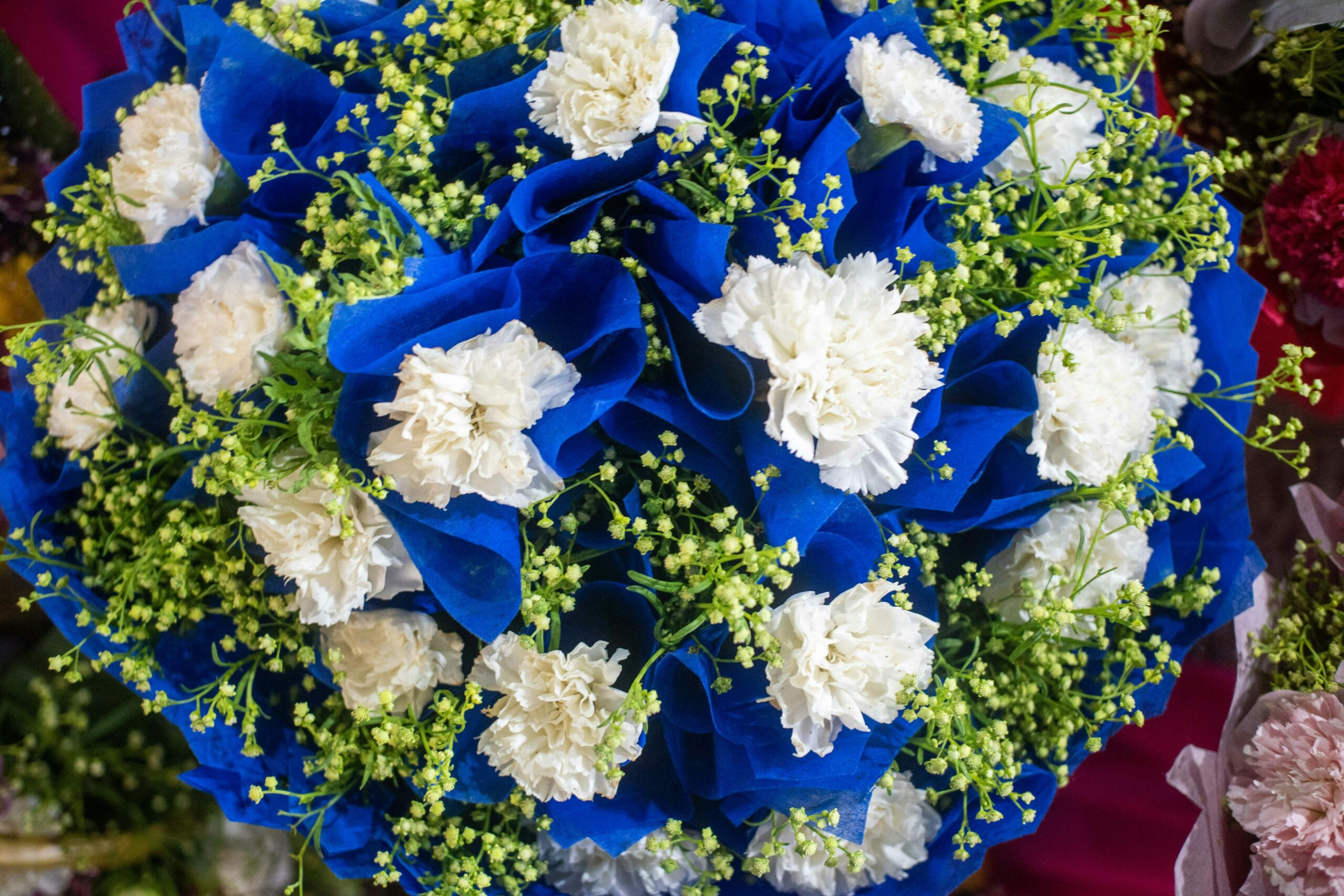
Across continents and cultures, the profound academic milestone of graduation is universally celebrated and symbolized by the presentation of flowers, which communicate pride, accomplishment, and the promising transition to a new phase of life. From the United States to Japan, and Italy to India, bouquets serve not merely as decoration but as a linguistic shorthand expressing admiration and encouragement for graduates who have completed years of rigorous dedication and personal growth. This centuries-old tradition transforms formal ceremonies into emotionally resonant, visually stunning events for academic communities and celebrating families.
The tradition’s enduring significance lies in its global uniformity alongside tailored cultural expressions. In Western nations, vibrant color often dominates to convey joy. In the United States and the United Kingdom, roses, lilies, and chrysanthemums are common, often chosen in school colors to emphasize institutional pride. Bright hues signal success and optimism, while a single rose can be presented as a specific sign of deep admiration. Similarly, France emphasizes aesthetic refinement, where arrangements feature nuanced symbolism: red roses for admiration, white lilies signifying accomplishment, and chrysanthemums representing honor.
Yet, some cultures integrate flora directly into the graduate’s persona. In Italy, for example, university graduates traditionally don the corona d’alloro (laurel wreath), an ancient symbol of wisdom and triumph, often accompanied by elaborate floral bouquets displayed at receptions. Southeast Asia, meanwhile, highlights specific symbolic meanings. In Japan, the chrysanthemum signifies perfection, longevity, and honor, often featured in formal ceremonies (sotsugyōshiki), while in South Korea, red and pink flowers dominate, expressing love and familial pride.
Asian nations also frequently combine flowers with significant non-floral elements. In India, traditional flower garlands (mala) may be draped around the graduate’s neck during ceremonies to confer respect and auspiciousness. In China, bouquets of roses, lilies, and carnations underscore formal recognition, often paired with celebratory banquets and gifts.
The symbolism embedded in floral choices remains remarkably consistent worldwide. Red flowers often symbolize passion and admiration, white reflects purity and respect for the achievement, and yellow or orange convey joy and optimism for new beginnings. While the rose is arguably the most globally recognized bloom for celebration, regional distinctions provide local flair. Latin America favors vibrant tropical blooms reflecting passion and cultural enthusiasm, while Australia and New Zealand often incorporate native wildflowers like waratahs alongside traditional roses and orchids.
Ultimately, whether through elaborate leis, simple bouquets, or traditional wreaths, flowers offer a universal, tactile medium that marks the profound shift from student to graduate. They enhance the visual and emotional landscape of educational milestones, reinforcing the powerful connection between perseverance, community support, and the hopeful promise of the future. As academic calendars turn, global florists will continue to translate achievement into blooms, ensuring that these vital ceremonies are remembered not just for the degrees conferred, but for the beauty and shared pride they convey.