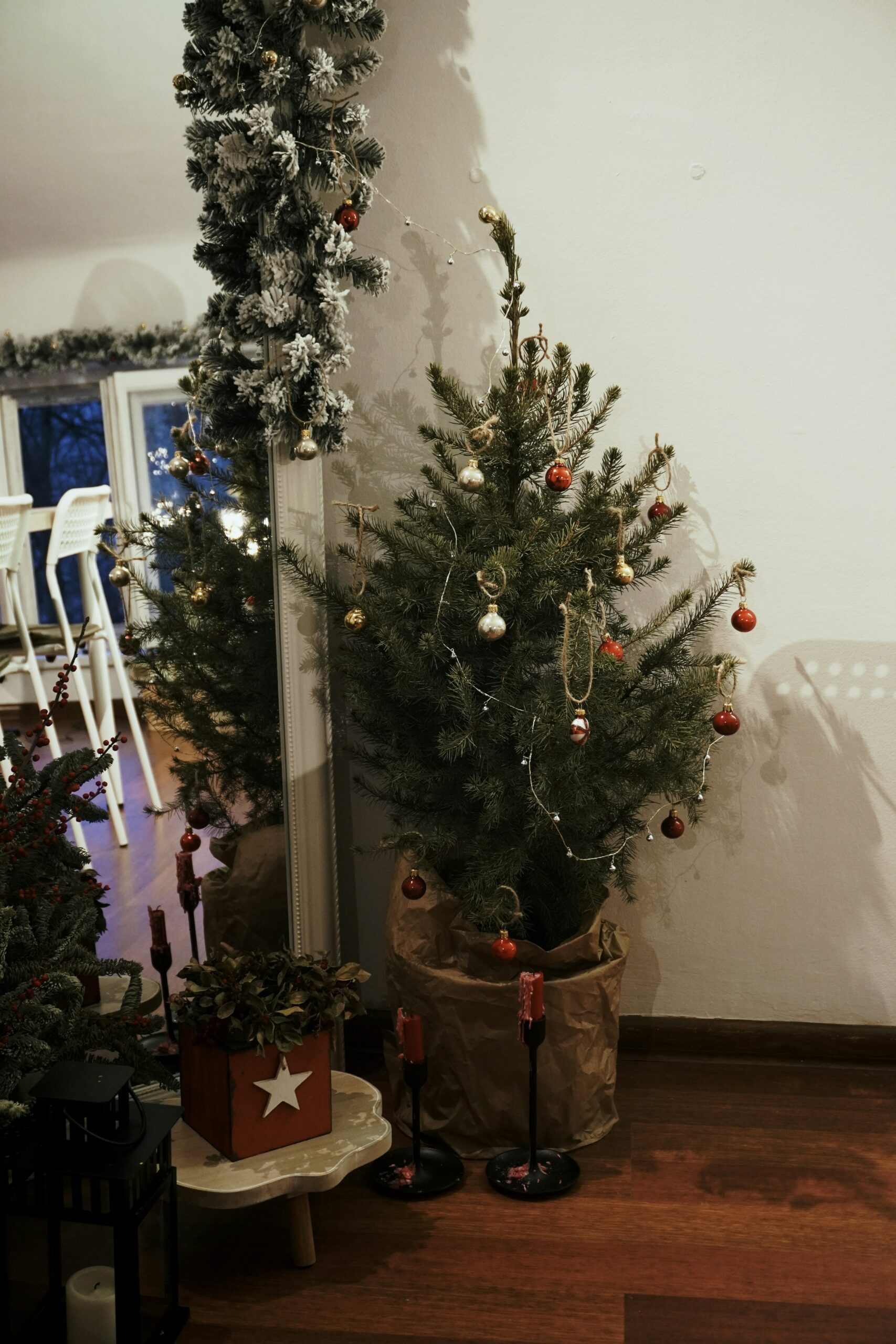
Apartment dwellers seeking to infuse their homes with festive spirit without sacrificing precious square footage are turning to miniature Christmas trees, a compact solution offering holiday charm tailored for urban living. These scaled-down evergreens, encompassing both living potted conifers and highly realistic artificial designs, allow residents of tight quarters to celebrate the season with style, sidestepping the logistical headaches posed by traditional, towering pines. The shift reflects a growing need for thoughtful holiday decorating that prioritizes both aesthetics and functionality in increasingly dense living environments.
The perennial challenge for city residents during the holidays lies in balancing seasonal aesthetics with limited room. Conventional trees often overwhelm living areas, disrupt furniture arrangement, and increase maintenance labor with shedding needles. Mini trees, typically under three feet tall, address these concerns directly, fitting comfortably on side tables, mantels, or windowsills without dominating the visual landscape.
Why Compact Conifers Are Gaining Popularity
The appeal of the miniature tree extends beyond mere space-saving. Experts emphasize the strategic versatility small trees offer, which allows for distinct decorating applications. For those who value authenticity and fragrance, real miniature varieties provide a vibrant, sensory experience without demanding an extensive footprint.
The Dwarf Alberta Spruce, a slow-growing evergreen known for its symmetrical conical shape, stands out as a preferred living option. When maintained in a container, these spruces rarely exceed a few feet, making them ideal centerpieces that can often be transitioned outdoors after the holiday season. Another increasingly popular real choice is the Lemon Cypress, celebrated for its vivid green foliage and unexpected citrusy aroma, offering a fragrant twist on traditional pine scents. These living choices provide the tactile and nurturing experience of caring for a plant, a distinct element artificial substitutes cannot replicate.
Conversely, for residents focused on low maintenance and long-term sustainability, artificial mini trees offer practicality. These lightweight alternatives are available in remarkably slender profiles, designed specifically for narrow spots, and often come pre-lit, dramatically reducing setup and cleanup. Available in tabletop sizes—frequently 40 to 60 centimeters—or slightly larger 90-centimeter models, they provide visual impact without clutter.
Selecting the Right Fit for Urban Living
Choosing the optimal mini tree hinges on an honest assessment of available space and lifestyle priorities. For studio apartment residents, a diminutive tabletop tree offers the most functional focal point, ensuring daily routines remain unobstructed.
For those considering a living tree, daily watering and access to suitable sunlight are crucial components of care. For the commuter or minimalist, an artificial counterpart offers easy, year-after-year convenience.
“The key is matching the tree’s scale to the room’s scale,” explains interior design consultant Maria Chen. “A smaller tree encourages more deliberate decorating. You can use smaller, more delicate ornaments and focus on tight, high-impact themes, whether that’s rustic Nordic minimalism or polished metallic accents. It allows the holiday spirit to feel integrated, not imposed, upon the space.”
Redefining Holiday Scale
As urbanization continues to compress domestic spaces, solutions like the mini Christmas tree demonstrate how tradition can adapt to modern constraints. By prioritizing clever design and convenience, these smaller festive alternatives ensure that even the most compact urban dwelling can radiate a warm, full-sized dose of holiday cheer, proving that the magic of the season is measured not by height, but by heart.