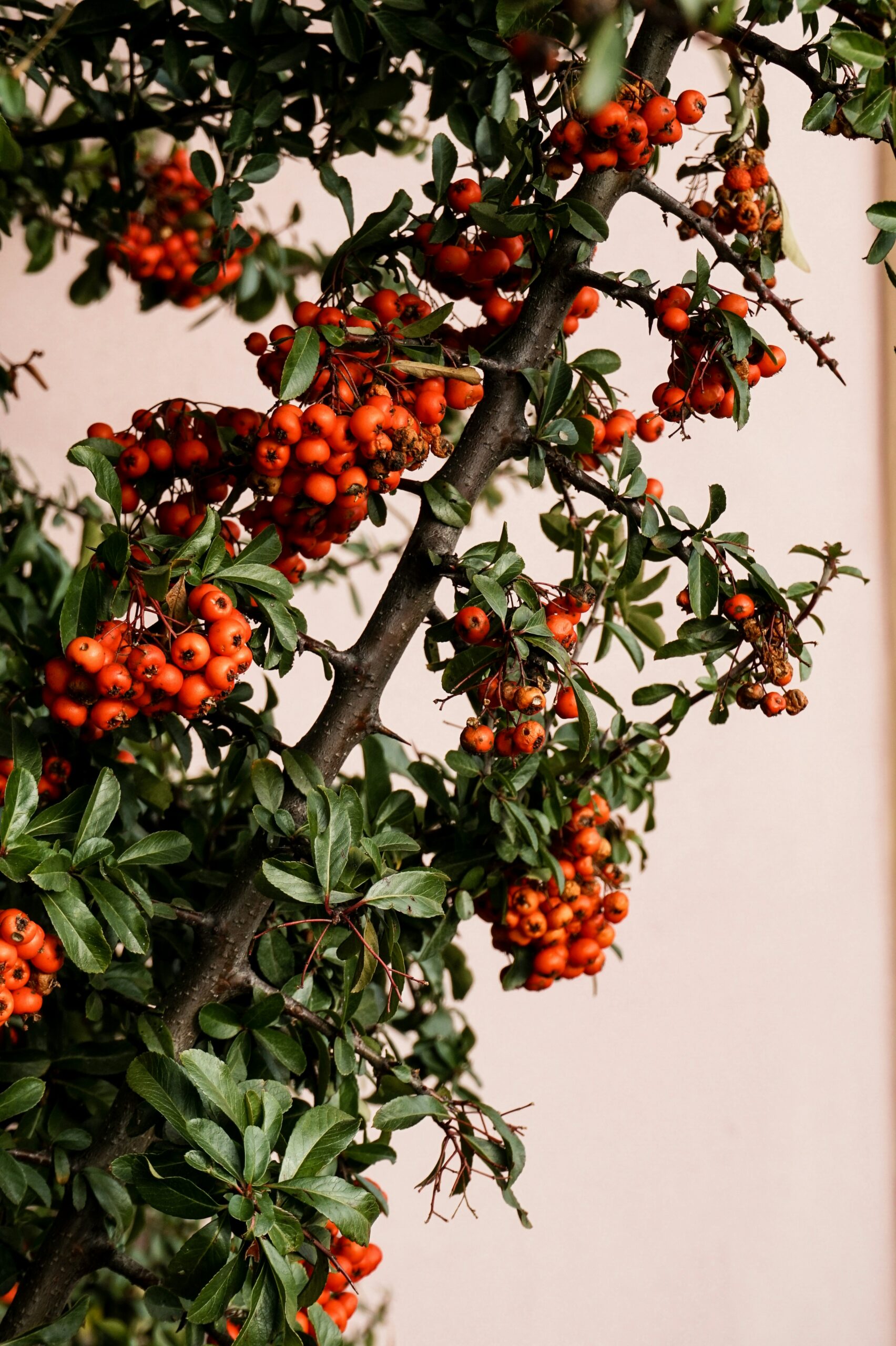
As seasonal lights illuminate homes, the delicate, often-overlooked sprig of mistletoe reclaims its center stage, carrying with it a profound history that stretches from sacred ancient rituals to modern festive romance. More than mere decoration, this semi-parasitic plant, with its pale green leaves and signature white berries, symbolizes vitality, protection, and connection, elements that have cemented its role as an enduring cornerstone of winter traditions globally. Understanding its storied past reveals how a simple piece of greenery became the unlikely catalyst for seasonal affection.
The plant’s mystical journey began in ancient Europe. Celtic Druids, observing mistletoe growing high upon oak and apple trees without soil, revered it as sacred, believing it held potent powers to cure ailments, neutralize malevolent spirits, and promote fertility. To the Druids, who harvested it with a golden sickle during the somber winter solstice, mistletoe’s evergreen resilience symbolized life’s persistence and the hopeful promise of spring’s return amid barren winter landscapes.
Norse mythology further amplified its mystique through the tragic legend of Baldur, the god of light, who was slain by an arrow crafted from the seemingly innocuous plant. This myth evolved, ultimately casting mistletoe as an emblem of peace and reconciliation. By the Middle Ages, Europeans adopted the practice of hanging sprigs indoors, believing the plant’s mystical energy offered household protection against evil forces.
The familiar romantic connection crystallized in 18th-century England. Suspending mistletoe from a doorway became an established social cue, essentially inviting a kiss. This tradition developed a playful etiquette: a refusal was deemed a social slight, and for each kiss exchanged beneath the branches, a berry was plucked. This ritualistic plucking, ending the consent for kissing when the last berry was gone, served as a lighthearted nod to the plant’s ancient association with fertility and good fortune.
As European customs spread, mistletoe became firmly integrated into American Christmas celebrations throughout the 19th and 20th centuries. While some of its protective and mystical connotations faded in the New World, its role as a facilitator of festive playfulness and social bonding deepened. Today, the sight of a sprig above a threshold instantly conjures expectations of holiday warmth and spontaneous affection.
Beyond its romantic application, mistletoe maintains significant cultural and ecological value. Its decorative appeal, often paired with holly, brings necessary warmth and life to the cold season. In Scandinavia, the focus remains primarily on protection and blessing the home. Ecologically, the plant’s semi-parasitic nature provides a subtle metaphor for interdependence, drawing sustenance from its host while providing a vital food source for wildlife.
Mistletoe’s continued relevance lies in its ability to condense centuries of shared human experience—from sacred rites and dramatic myths to structured social etiquette. Hanging the plant is not merely an aesthetic choice but an act honoring a universal tradition that spans generations and cultures. From the hallowed groves of the ancient Celts to the bustling living rooms of modern families, mistletoe endures as a vital symbol of enduring life, shared affection, and the unwavering magic inherent in the holiday season.