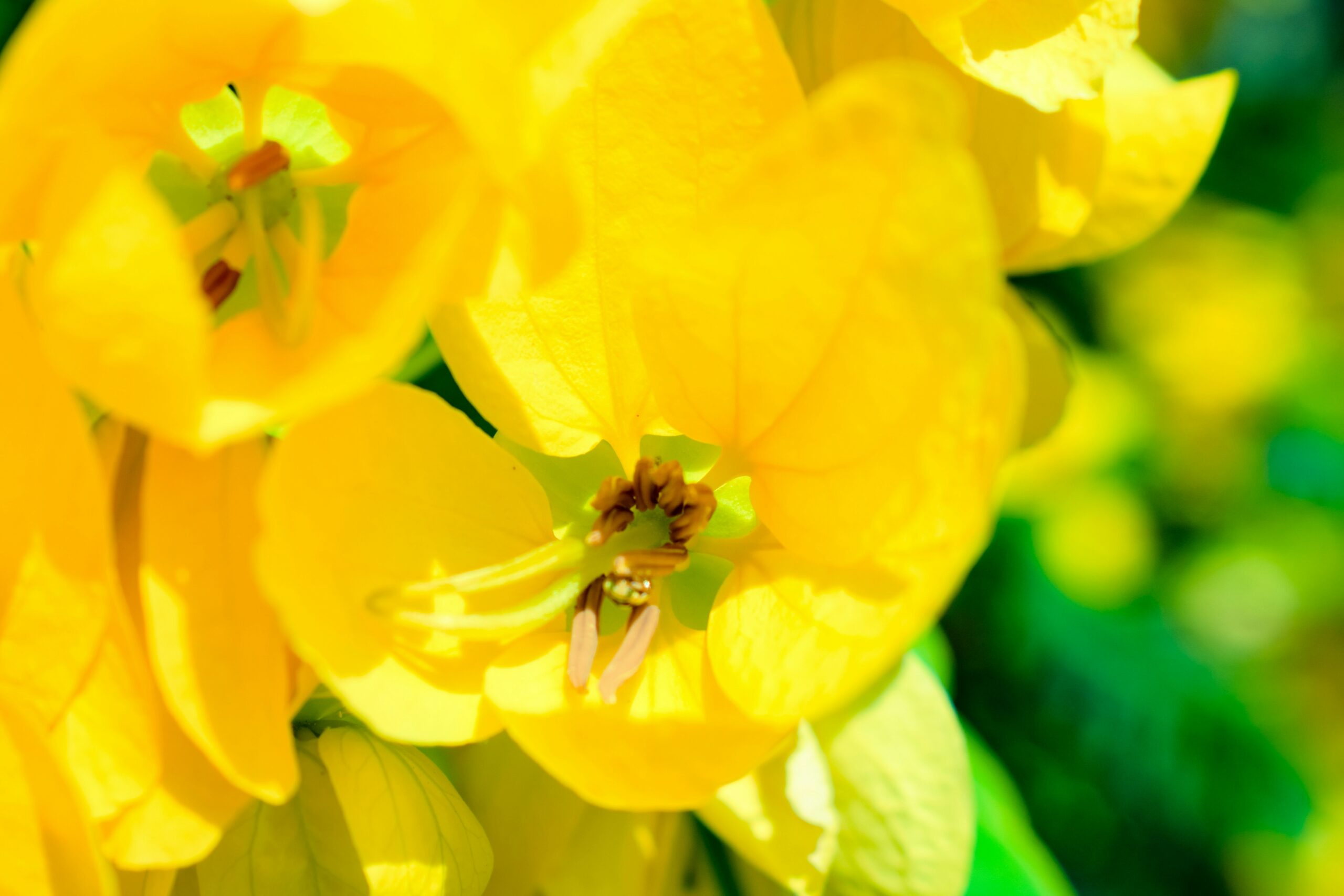
For millions of Americans navigating seasonal allergies, the beauty of a fresh floral arrangement often comes with the unwelcome side effect of sneezing, congestion, and itchy eyes. However, allergy experts confirm that savvy selection and simple maintenance practices can allow even sensitive individuals to brighten their homes with cut flowers without triggering a major pollen reaction. It largely comes down to understanding which blooms release heavy, trapped pollen versus those that widely disperse allergenic grains.
The core challenge stems from microscopic pollen grains released into the air by certain flowering plants. While most people associate allergies with outdoor grasses and trees, indoor bouquets can become concentrated sources of these irritants. Furthermore, experts caution that potent floral fragrances, independent of pollen, can also irritate sensitive noses and respiratory systems.
Choosing Low-Pollen Varieties
The key strategy for allergy sufferers is leaning toward flowers whose pollen is either minimal or non-airborne. These varieties typically hold their pollen tightly or are engineered to produce almost none.
Safe Bets for Bouquets:
- Roses: Particularly hybrid tea varieties, which tend to trap their pollen inside the bloom. Opting for mildly scented roses is advisable.
- Orchids: Known for being virtually pollen-free, these exotic flowers offer long-lasting elegance.
- Tulips: As their pollen is minimally airborne, tulips pose a low risk, making them an excellent choice for springtime arrangements.
- Hydrangeas: These popular, voluminous flowers produce no airborne pollen, making them wonderfully safe for indoor display.
- Peonies: Although they have pollen, it is heavy and sticky, meaning it generally remains contained within the petals rather than floating through the air.
- Calla Lilies and Carnations: Both are frequently used in arrangements due to their minimal pollen release and general hardiness.
Flowers to Approach with Caution
Conversely, many classic bouquet staples are notorious for their high pollen count and should be avoided by sensitive individuals. Any flower that relies heavily on wind to disperse its pollen is a high-risk contender for triggering allergies.
High-Risk Floral Triggers:
- Lilies: Especially Asiatic and Oriental varieties, which release large amounts of heavy, visible pollen.
- Sunflowers and Daisies: These belong to the Aster family, known for producing prolific amounts of allergenic pollen.
- Goldenrod: A particularly potent culprit, often mistaken for ragweed, a top allergen.
- Chrysanthemums and Irises: While beautiful, their allergenic potential makes them unsuitable for close indoor display.
Implementing Safety and Care Protocols
Even with allergy-friendly flowers, proactive steps can minimize environmental exposure and ensure a pleasant experience.
The most critical maintenance step involves physically removing the source of irritation. For certain larger blossoms that contain visible yellow or orange stamens—the pollen-bearing filaments—gently clipping these off before placing the flowers in a vase can effectively remove the majority of the risk.
Additionally, vigilant hygiene around the arrangement is essential. Changing the vase water every two to three days is important not just for flower longevity but also for preventing the growth of mold, an allergen itself. When choosing a location, experts recommend keeping arrangements well away from bedrooms and air conditioning vents, limiting the airflow of any released particulates.
For individuals seeking guaranteed relief, exploring high-quality artificial or dried flowers presents a truly allergen-free alternative that still provides visual appeal without any associated risk.
By combining careful selection of low-pollen varieties like roses and orchids with simple cleaning and placement tactics, allergy sufferers can safely embrace the cheer and beauty that fresh cut flowers bring into a home.