Flower professionals are elevating Gypsophila, widely known as baby’s breath, past its traditional role as a simple filler, pairing its delicate, cloud-like texture with structured, contrasting focal flowers to construct bouquets that achieve both visual harmony and dramatic flair. This strategic layering, emphasizing juxtaposition in size, form, and color, transforms modest arrangements into sophisticated floral statements suitable for formal events and intimate gatherings alike.
Baby’s breath, recognized for its exceptional airiness, requires a robust counterpart to anchor an arrangement. Without a strong focal point, its ethereal presence can render a bouquet visually flat. Floral designers identify several large, structured blooms that achieve the necessary contrast while complementing the featherlight quality of the Gypsophila. Key among these choices are classic roses.
The Power of Contrast: Roses to Sunflowers
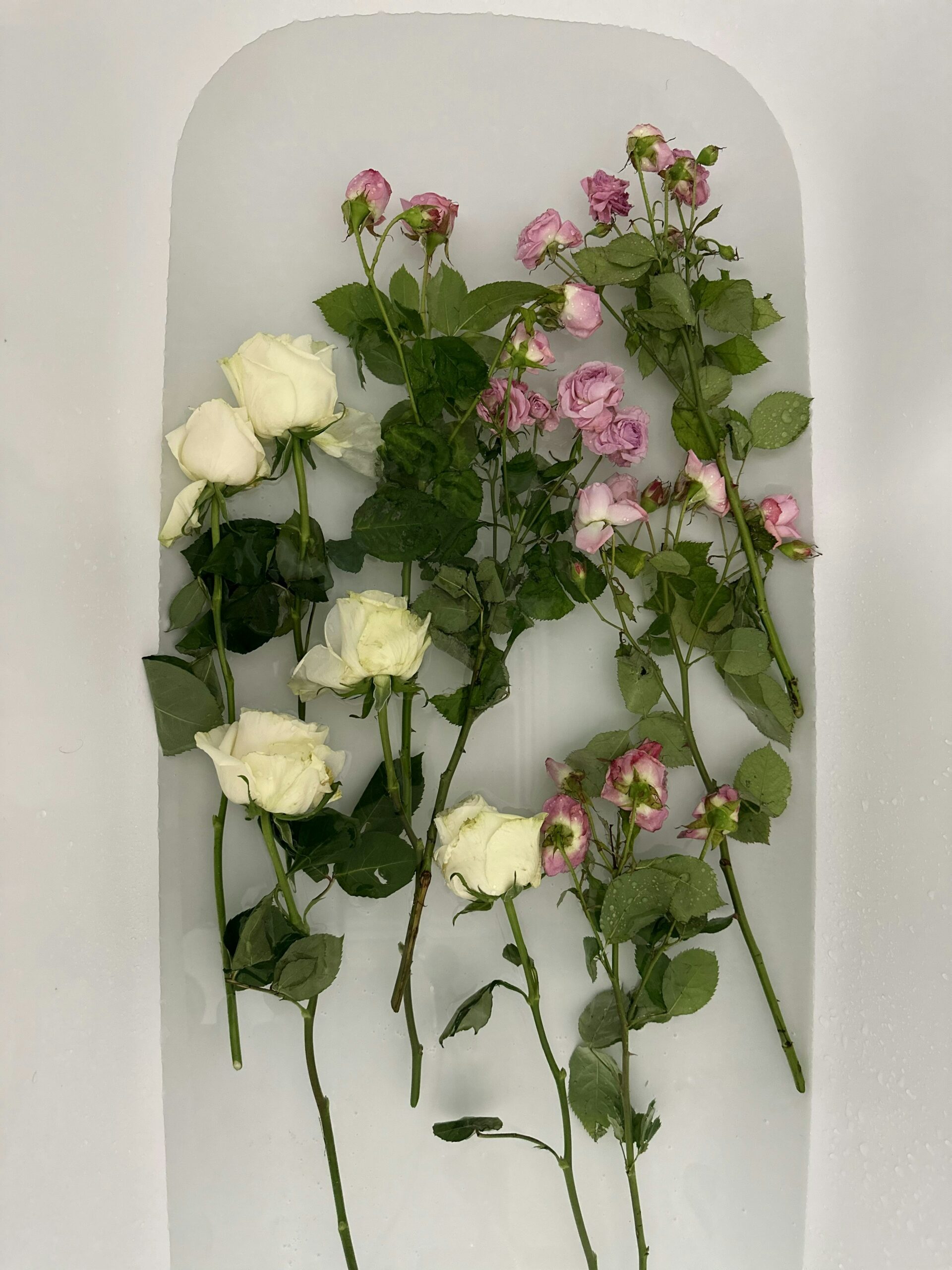
Roses remain the quintessential partner for baby’s breath due to their versatility and defined structure. The layered petals of the rose provide essential depth. Soft hues like blush or cream, nestled within the tiny white sprays, exude a timeless romance, particularly appealing for bridal compositions. Conversely, deep crimson roses deploy a bold, dramatic statement, with the baby’s breath serving to soften the overall intensity. Specialist varieties, such as fragrant garden roses, lend a vintage, plush texture that complements the airy filler.
For arrangements celebrating spring and early summer, peonies offer voluminous, rounded blooms that naturally command attention. Their generous size and lush texture merge beautifully with the fine spray of Gypsophila, producing a luxurious, abundant aesthetic that avoids feeling heavy. Pastel peonies paired with white baby’s breath create particularly dreamy, delicate bouquets favored for weddings.
Moving away from the traditional, sunflowers provide the starkest contrast. Their large, circular heads and vibrant yellow petals inject immediate cheer and a bold, rustic charm. This combination is especially effective when grounded with earthy greenery like eucalyptus, appealing to a contemporary farmhouse style. Similarly, dahlias, with their geometric petal patterns and substantial size, offer textural intrigue, making them ideal for impactful, dynamic designs—a popular choice for dramatic autumn arrangements.
Subtlety and Sophistication from Ranunculus to Lilies
While scale is crucial, designers also leverage subtle textural differences. Ranunculus blossoms, smaller than traditional roses but replete with intricate, layered petals, lend a whimsical, refined quality. They share a similar delicate aesthetic with baby’s breath but still hold enough visual weight to function as a focal point in refined, light compositions.
Other blossoms offer architectural or voluminous additions. Lilies, particularly the Asiatic and Casablanca varieties, introduce a formal, vertical elegance, their large, star-shaped structure balancing the unconfined softness of the Gypsophila. In contrast, hydrangeas create a unique harmony. Their own cloud-like clusters echo the softness of the baby’s breath but in far greater volume, providing significant presence without overwhelming the delicate filler.
Even often-overlooked flowers, such as the hardy carnation and the multifaceted chrysanthemum, prove effective partners. Carnations offer volume and ruffled texture at a lower cost, balancing their firm petals against the airy Gypsophila for an elegant effect. Chrysanthemums, with their varied petal shapes, add necessary structure and visual interest, maintaining the bouquet’s overall light feel.
Ultimately, achieving a successful baby’s breath arrangement relies on adherence to the principles of balanced opposition. By thoughtfully selecting focal flowers that differ significantly in scale and texture—whether choosing the simplicity of a sleek tulip or the density of a peony—designers ensure that the ethereal beauty of the Gypsophila is enhanced, becoming an accent that elevates the overall design rather than simply filling space.