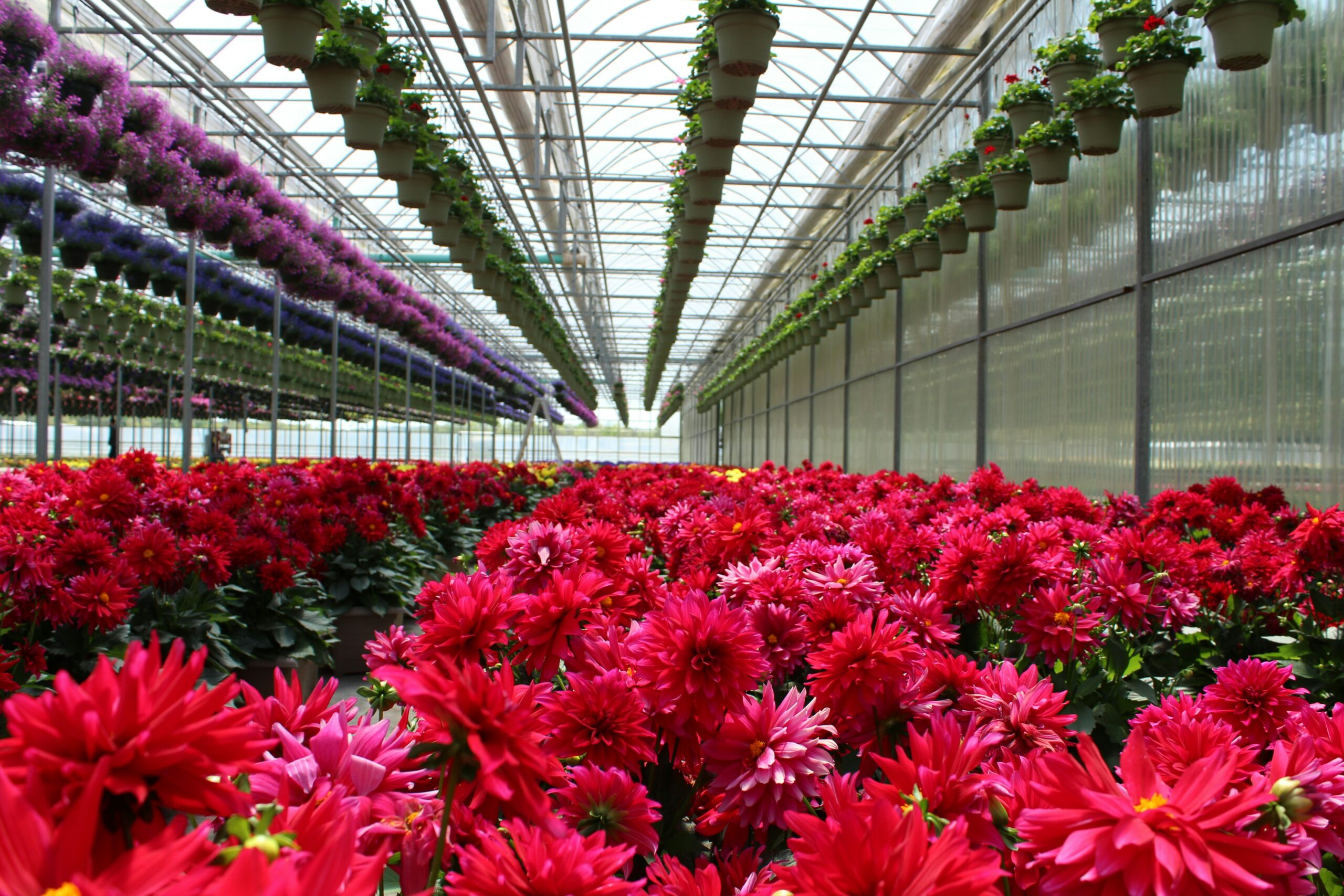
In an era emphasizing sustainability, consumers sending floral arrangements are increasingly prioritizing environmental responsibility alongside aesthetic appeal. A new florist guide highlights that choosing flowers based solely on their natural seasonal availability is the most effective approach to ensuring quality, reducing the carbon footprint, and supporting ethical practices within the multibillion-dollar flower industry. This approach minimizes the need for energy-intensive artificial heating, chemical interventions, and high-emissions long-distance transportation.
For those looking to make greener purchasing decisions, selecting blooms that correspond to the four seasons dictates freshness and significantly lowers production energy demands.
Spring: The Abundant Low-Impact Season
Spring offers the widest array of low-impact flowers. Longer daylight and milder temperatures reduce reliance on heated greenhouses common during winter months.
Tulips and daffodils are quintessential spring staples. When commercially grown in season, tulips require minimal intervention compared to winter varieties forced into bloom, while open-field cultivated daffodils remain among the most resource-efficient options. Later in the season, fragrant choices like hyacinths and muscari often involve fewer agricultural chemicals than many summer or tropical species. The arrival of peonies in late spring, particularly those sourced regionally, offers a luxurious, yet relatively low-impact choice, avoiding the long-haul shipment required for out-of-season imports.
Summer: Diversity from the Field
Summer provides the greatest diversity of robust, field-grown flowers that flourish without artificial climate controls or chemical boosters.
Hardy choices such as sunflowers require minimal inputs and transport well. For rich color, zinnias and cosmos are favorites of small-scale sustainable growers. Late summer brings the peak of dahlias; local sourcing ensures exceptional freshness and minimized pesticide use. Experts recommend replacing imported roses, which often involve high energy and chemical intensity, with outdoor-grown local roses during their natural summer season. Furthermore, aromatic herbs like lavender offer highly sustainable alternatives, thriving in drier conditions.
Autumn: Robust and Reliable Blooms
As temperatures begin to drop, autumn reveals hardy, colorful flowers that maintain the benefits of field cultivation until the first frost.
Chrysanthemums are highly reliable fall bloomers, typically requiring no heavy greenhouse production during their peak. Asters and marigolds similarly flourish under natural seasonal conditions. Late-season dahlias continue to impress when locally sourced, benefiting from short distribution chains. Autumn arrangements can also be filled out with naturally low-impact foliage elements, including turning leaves, eucalyptus, and berry branches, reducing the overall environmental cost.
Winter: Navigating the Seasonal Challenge
Winter presents the most complex ethical challenge, as many popular flowers require significant energy for heated production or transcontinental shipping.
The most eco-conscious choices often involve bulbs or hardy specimens. Amaryllis and paperwhite narcissus bulbs store energy naturally, requiring far less supplementary heating and lighting to flower than other popular winter blooms. In some regions, locally sourced hellebores (Christmas roses) provide a genuinely fresh and natural option. Winter arrangements can also rely heavily on sustainable elements such as evergreen branches, durable berries, and, crucially, dried flowers, which eliminate the need for refrigeration, rapid transport, or chemical preservation.
Beyond Seasonality: The Ethical Supply Chain
While seasonality is crucial, ethical consumption requires looking deeper into industry practices. Consumers are advised to seek growers utilizing sustainable methods, such as integrated pest management and water-conserving irrigation systems.
Local sourcing remains the strongest factor in minimizing carbon emissions. Flowers flown internationally, often in climate-controlled cargo, carry significantly higher emissions footprints than those transported over short distances. Consumers should support local florists who partner with regional farms, or look for specific third-party certification labels like Fairtrade, Rainforest Alliance, or Veriflora, which verify environmentally responsible production and ensure fair worker conditions.
Finally, prioritizing flowers with a strong vase life minimizes waste. Field-grown, in-season flowers typically last longer, extending appreciation and reducing premature disposal.