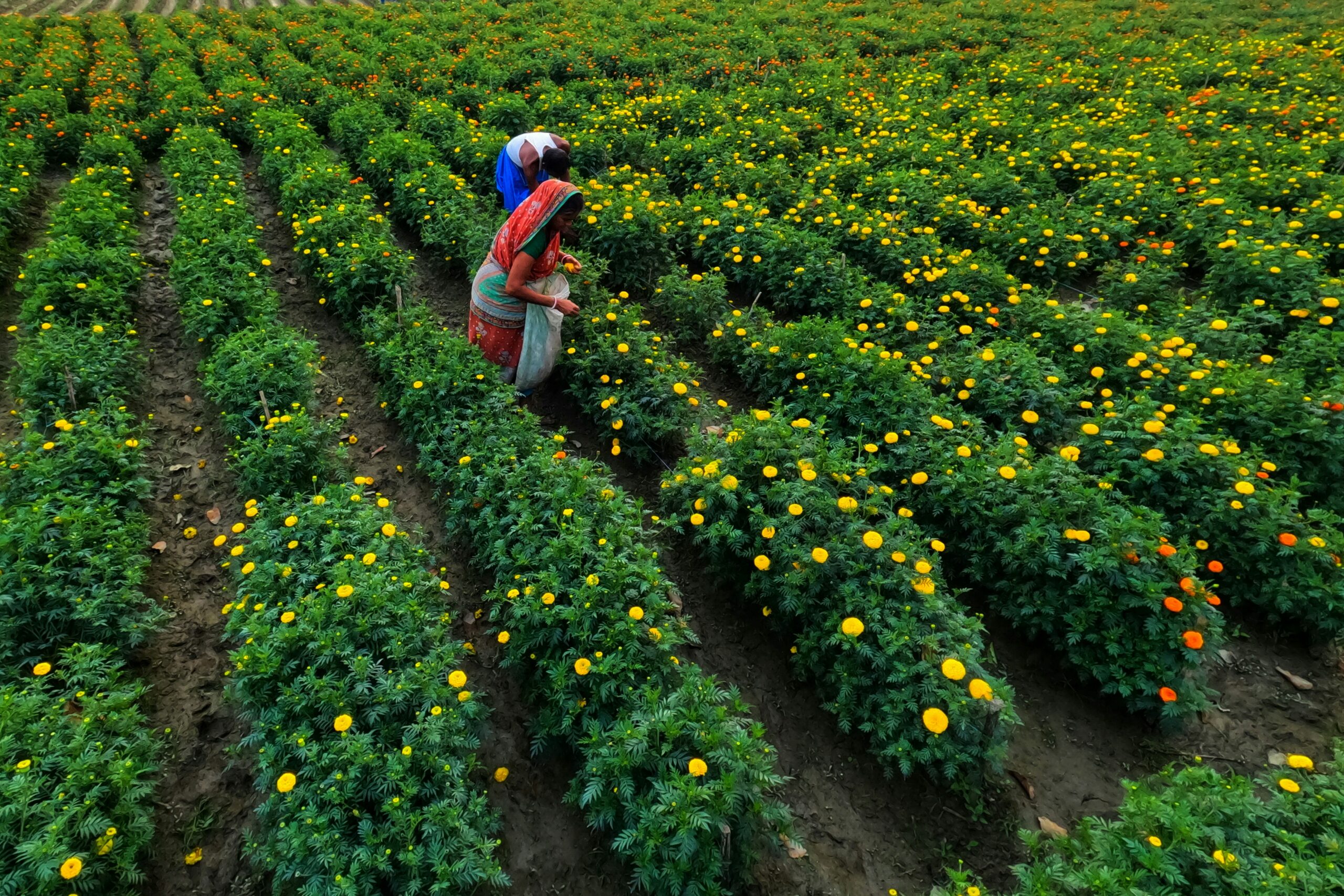
The romance and spectacle of the global cut-flower industry, which transports billions of blooms annually from the tulip fields of the Netherlands to the rose plantations of Kenya and Colombia, mask a complex web of environmental strain and social challenges. Experts warn that the industry’s massive logistical reach exacts a heavy toll on ecosystems, local water supplies, and the well-being of its predominantly female workforce, raising critical questions about the sustainability of year-round floral consumption.
The worldwide trade in flowers, valued in the tens of billions, relies on intense agricultural methods that demand vast resources. From Andean valleys to the Rift Valley of East Africa, water usage stands out as a primary ecological concern. Crops like roses and lilies are notoriously thirsty, often requiring hundreds of liters of water per kilogram of exported flowers. In water-scarce regions, this heavy extraction from rivers, aquifers, and wetlands has measurably reduced river flows and contributed to the drying of crucial ecological habitats. For local communities in some Kenyan flower-producing districts, this competition for resources exacerbates intermittent water shortages during peak irrigation periods.
Chemical Reliance Spurs Ecological Fallout
To meet consumer demand for blemish-free perfection, growers globally often depend heavily on a cocktail of synthetic fertilizers and agricultural chemicals. This chemical dependence generates significant health and environmental risks.
In regions with minimal safety oversight, farm workers, many of whom are seasonal employees lacking job security, face chronic exposure to dangerous pesticides. This exposure has been linked to severe health issues, including neurological damage and respiratory disorders.
The environmental ramifications extend far beyond the farm boundaries. Pesticide and herbicide runoff contaminates waterways, leading to the eutrophication of lakes—the formation of “dead zones” devoid of aquatic life. Furthermore, key insecticides, notably neonicotinoids, have been implicated in the decline of vital pollinators, including bees and butterflies, threatening broader ecosystem stability.
Labor Practices and Hidden Human Costs
The flower industry is intensively labor-driven, yet worker welfare frequently takes a back seat to economic efficiency. Across Latin America, Africa, and Asia, reports document low wages, long hours, and physically demanding conditions for laborers, a majority of whom are women. Vulnerable workers often handle toxic substances without adequate protective gear, compounding health crises.
While certifications like Colombia’s Florverde aim to promote safe conditions and fair compensation, a substantial volume of blooms entering global markets are still grown under conditions that prioritize speed and price over worker dignity. This reality fuels ongoing ethical dilemmas for retailers and consumers, highlighting the persistent challenges in upholding gender equity and fair labor rights within the supply chain.
Carbon Footprint of the Global Bloom
The vast majority of cut flowers are highly perishable and require swift, long-distance transport. Air freighting flowers thousands of miles—from Ecuador to Europe, for example—creates a substantial carbon burden. A single kilogram of air-shipped flowers can produce up to four kilograms of carbon dioxide emissions.
This carbon footprint is further aggravated by energy-intensive cultivation. In colder climates, such as the Netherlands, heated and artificially lit greenhouses rely heavily on fossil fuels, contributing significantly to greenhouse gas emissions necessary to ensure year-round availability. High energy consumption combined with long-haul shipping establishes the flower trade as a silent but notable contributor to global climate change.
Paths Toward Sustainable Flower Production
Addressing the ethical and environmental challenges requires systemic shifts throughout the industry, focusing on integrated sustainability:
- Water Efficiency: Employing drip irrigation and recirculating water systems can drastically minimize water consumption in arid environments.
- Integrated Pest Management (IPM): Utilizing biological controls and encouraging natural predators reduces reliance on harmful synthetic chemicals.
- Fair Labor: Ensuring living wages, providing essential protective gear, and guaranteeing workplace safety are non-negotiable ethical standards.
- Local Sourcing: Supporting shorter, regional supply chains reduces transportation emissions and fosters resilience in local economies.
As consumers increasingly value transparency and sustainability, the burden shifts to retailers and growers to align the beauty of the bloom with rigorous social and environmental responsibility. The ultimate goal is to foster a floral trade where every cherished bouquet is an act of ecological and ethical mindfulness, ensuring its cultivation does not compromise the health of the planet or its people.