Across the European continent, families annually celebrate Mother’s Day—or its local equivalent—as a universally binding tribute to maternal figures and the societal importance of motherhood, yet the observance spans different dates and features distinct national customs, rooted in centuries of religious and social history. Unlike fixed global holidays, Europe’s dedication to mothers showcases a rich tapestry of localized traditions, ranging from the U.K.’s historical Mothering Sunday in March to late May celebrations in France and the Nordic region, all emphasizing gratitude, affection, and family unity.
The modern incarnation of Mother’s Day, which honors maternal bonds rather than romantic love, remains fundamentally centered on intimacy and respect. While the majority of countries, including Germany, Italy, Greece, and the Netherlands, align with the U.S. tradition on the second Sunday of May, significant regional variations persist, reflecting deeper cultural anchors.
Diverse Celebrations, Shared Reverence
In the United Kingdom, Mothering Sunday falls precisely on the fourth Sunday of Lent. Historically, this was a moment for dispersed children to return to their “mother church,” a tradition that has secularized into a day for family reunions. The U.K. favors spring blooms like daffodils and lilies, often accompanied by a traditional Sunday roast and personalized, handcrafted gifts from children.
Conversely, France celebrates the Fête des Mères on the last Sunday of May (or early June), a holiday formalized in the 20th century to recognize mothers’ contributions to national strength and family continuity. French celebrations often include elaborate meals, fine jewelry, and the requisite presentation of roses and lilies.
Southern Europe, including Spain and Italy, places a profound emphasis on the familial bond. Spain’s Día de la Madre on the first Sunday of May is characterized by vibrant floral displays of roses and carnations, and community-wide involvement, with schools organizing plays and performances. In Italy, the Festa della Mamma on the second Sunday of May is a deeply heartfelt occasion where meticulously prepared meals and elegant bouquets reinforce the central role of the mamma in the family structure.
Universal Tokens of Appreciation
Despite the calendar discrepancies, certain themes are geographically pervasive, serving as unifying elements across the continent:
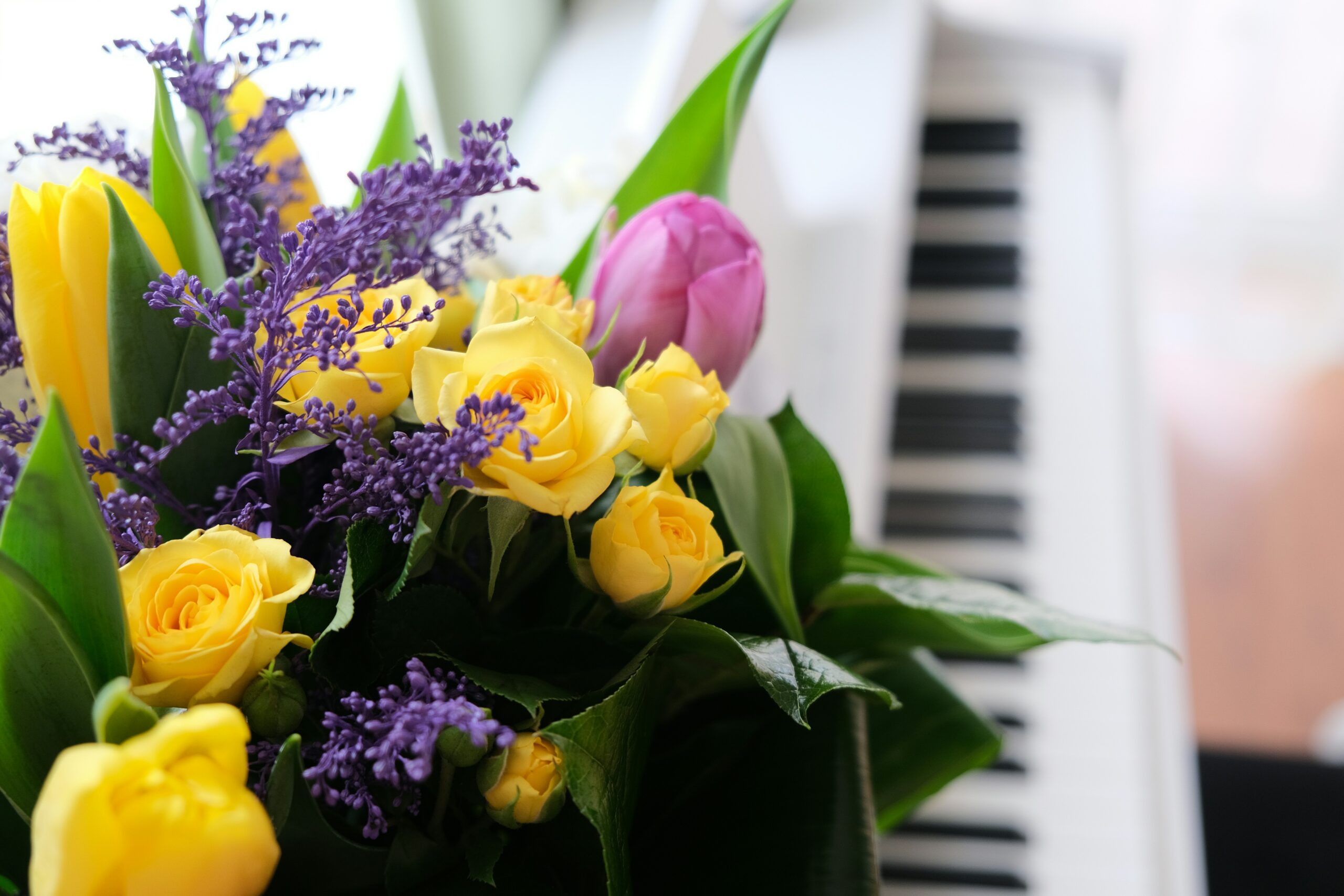
- Floral Tributes: Flowers are central everywhere, with roses, carnations, and lilies being pan-European favorites. The Netherlands, predictably, features tulips heavily, while the Nordic countries rely on popular spring blooms.
- The Shared Meal: The concept of a special family meal, whether breakfast in bed (common in Germany and the Netherlands) or an extended Sunday lunch, solidifies the focus on intimate family gatherings.
- Children’s Agency: In every country surveyed, schools actively facilitate the expression of appreciation. Children universally craft cards, recite poems, sing songs, or create simple artistic gifts, transforming the day from a purely commercial event into an emotionally significant milestone.
- Gifting: Tokens of appreciation often include chocolates, perfume, or small pieces of jewelry, blending practical gifts with expressions of affection, particularly in nations like Germany where practicality is often prized.
The diversity in observance dates—ranging from the first Sunday in May (Spain) to the last Sunday in Denmark, Norway, and Sweden—underscores Europe’s complex history and separate religious reforms. Yet, whether celebrated with the historical depth of the U.K.’s Mothering Sunday or the contemporary fervor seen across Eastern Europe, the holiday maintains its core purpose: a public and private demonstration of love, respect, and gratitude for maternal figures and their indispensable role in society.
ultimately, Mother’s Day across Europe reflects a shared cultural bedrock that consistently elevates the value of family and caregiving, providing a temporary pause for collective appreciation across international borders.