AMSTERDAM, The Netherlands—The world’s most magnificent floral landscapes are not merely collections of plants, but living mosaics where human history, artistic design, and radical botany converge. For travelers seeking beauty, tranquility, and a deep connection to nature’s artistry, a global circuit of these masterpieces offers more than just spring blooms; they present a curated journey into cultural heritage and spectacular horticulture.
These meticulously groomed havens range from the wild, endemic flora of the African continent to the intensely cultivated, colorful carpets of European royalty, each telling a unique story forged by geography and vision.
The Grandeur of Global Blooms
Highlighting the pinnacle of botanical exploration, several destinations stand out for their scale, historical significance, and diversity:
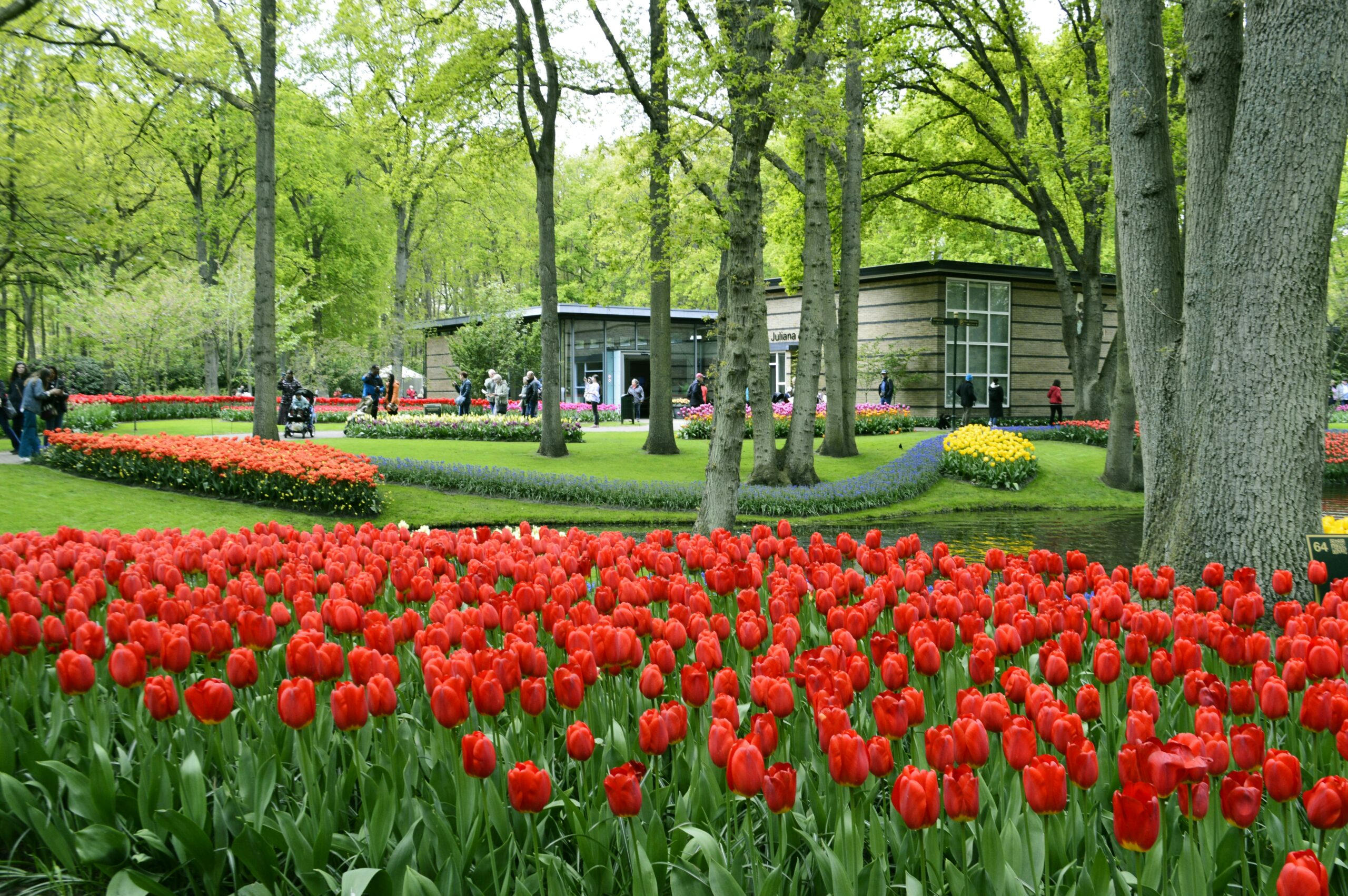
Keukenhof Gardens, The Netherlands: Often dubbed the “Garden of Europe,” Keukenhof in Lisse is a spring spectacle unlike any other. Spanning 32 hectares, it annually nurtures over seven million bulbs, primarily tulips, daffodils, and hyacinths, arranged in intricate, seasonal carpets. The best time to experience this Dutch symphony is typically between mid-March and mid-May, with peak tulip viewing in mid-April. Travel experts advise booking tickets early and arriving just after dawn for optimal viewing and photography conditions.
Gardens of Versailles, France: Testament to 17th-century ambition, these expansive gardens, designed by André Le Nôtre, cover over 800 hectares near Paris. More than a floral display, Versailles represents geometric precision and royal power, featuring grand parterres, symmetrical water features like the Parterre d’Eau, and secluded groves. Visitors can enjoy the serene experience from spring through early summer, exploring the vast grounds via rented golf cart or guided historical tour.
Butchart Gardens, Canada: Located near Victoria, British Columbia, this North American gem arose from an unlikely beginning: an abandoned limestone quarry. Transformed by Jennie Butchart in the early 20th century, the 55-acre grounds showcase diverse environments, including the iconic Sunken Garden, the tranquil Japanese Garden, and a specialized Rose Garden. Summer offers the fullest bloom and magical illuminated evening displays.
Hidden Gems and Historical Ties
Beyond the well-known European and North American landmarks, important gardens underscore regional horticultural traditions:
Keisei Rose Garden, Japan: Tucked away from Tokyo’s urban sprawl, this sanctuary emphasizes balance and subtle sophistication. It hosts over 6,000 rose plants, ranging from antique species to modern hybrids, arranged in harmony with traditional Japanese design elements like arched bridges and reflective ponds. Prime viewing occurs in late May/June and again in October.
Emirgan Park, Turkey: In Istanbul, where the tulip originated and remains a national symbol, Emirgan Park hosts the annual Istanbul Tulip Festival every April. Millions of tulips are planted in vivid patterns inspired by Ottoman motifs, bridging horticulture with imperial history.
Kirstenbosch National Botanical Garden, South Africa: Nestled against Table Mountain in Cape Town, Kirstenbosch focuses on South Africa’s endemic flora, presenting the Cape Floral Kingdom. Highlights include the Protea Garden and the elevated Centenary Tree Canopy Walkway, allowing visitors unique views of the fynbos habitat. Spring (September to November) is the optimal time to witness the indigenous wildflowers at their peak.
Art, Imagination, and Horticulture
The marriage of nature and artistic vision defines sites like the gardens of famous painters:
Monet’s Garden at Giverny, France: Claude Monet’s former home in Normandy remains a perfect, living canvas. Divided into the vibrant Clos Normand and the tranquil Water Garden, it features the globally recognizable Water Lily Pond and Japanese bridge—the direct inspiration for some of Impressionism’s most famous works.
Longwood Gardens, USA: Spanning over 1,000 acres in Pennsylvania, Longwood offers unparalleled diversity, from formal outdoor displays to a monumental Conservatory housing tropical species and rare orchids. The synchronization of fountain shows with music adds a layer of dramatic spectacle to the experience, with spring and fall offering peak seasonal color.
For all travelers, preparing for a garden visit means checking specific bloom calendars, as peak times vary significantly even within a few weeks. The reward is a profound sensory encounter—a feast of color, fragrance, and texture—that offers a restorative perspective on nature, history, and human creativity.