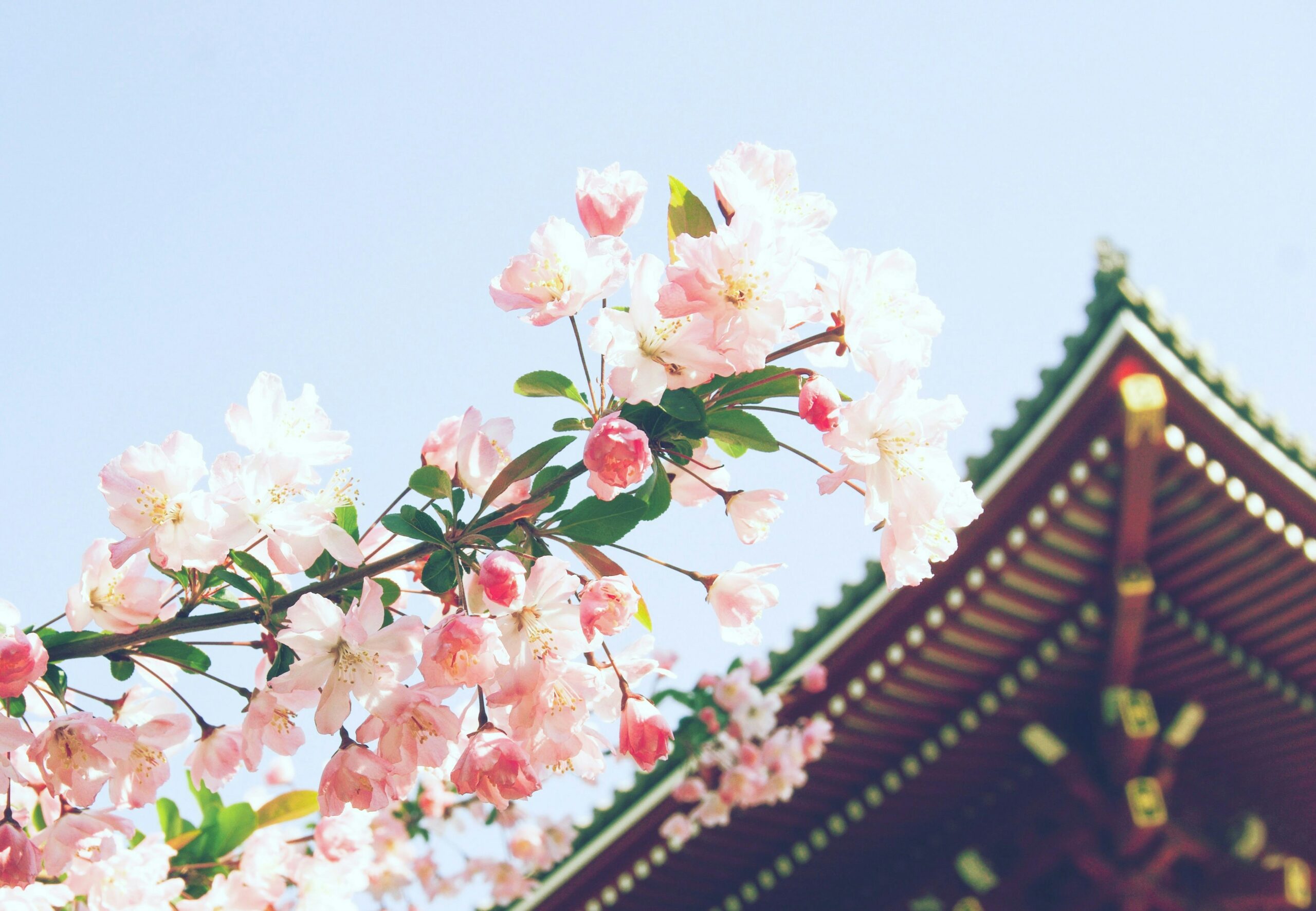
For millennia, flowers have served as powerful, often silent communicators of moral philosophy, spiritual aspirations, and national identity across Asia, appearing prominently in art, literature, and religious rites from Tokyo to Mumbai. A single bloom, far from being merely decorative, can convey complex layers of meaning, embodying virtues like resilience, purity, and honor that form the bedrock of diverse Asian societies. This extensive floral vocabulary, sustained by Confucianism, Buddhism, and indigenous traditions, reveals a shared reverence for nature’s capacity to reflect fundamental human ideals.
Decoding the Cultural Flora
The symbolism of key flora varies by region, yet certain themes resonate across the continent, highlighting nature’s profound influence on cultural narratives.
East Asia: Virtues and Transience
In East Asia, the relationship with flowers is highly formalized. China’s floral language is rooted in Confucian virtue and Taoist philosophy. The lush peony, often dubbed the “King of Flowers,” symbolizes wealth and aristocratic splendor, a legacy cemented during the Tang dynasty. Conversely, the plum blossom signifies perseverance, blooming defiantly in late winter—a favored emblem for scholars enduring hardship.
Japan refined this appreciation into hanakotoba, a nuanced floral code. The iconic cherry blossom (sakura) exemplifies mono no aware, the poignant appreciation of beauty’s transience. Each spring, the short-lived bloom prompts hanami gatherings, celebrating the delicate balance between joy and melancholy. Meanwhile, the chrysanthemum, with its intricate symmetry, holds national significance, representing the Imperial Family and embodying longevity.
Korea elevates the Rose of Sharon (mugunghwa), the national flower, symbolizing eternal resilience and the endurance of Korean identity through political turbulence.
South Asia: Spirituality and Devotion
In South Asia, flowers are central to the religious and devotional landscape. The lotus holds unparalleled importance across Hinduism and Buddhism, associated with creation, purity, and spiritual awakening. In India, the goddess Lakshmi often stands on the lotus, linking it to prosperity, while its rise from muddy waters offers a profound philosophical teaching: living unblemished in a tainted world.
The fragrant jasmine signifies love, sensuality, and auspicious new beginnings, frequently essential in weddings and temple offerings. Perhaps the most visible ceremonial flower is the bright marigold, ubiquitous during festivals like Diwali, symbolizing prosperity and devotion. Regional distinctions exist, such as Sri Lanka’s national blue water lily, which represents serenity and wisdom.
Southeast Asia: Identity and Purity
Southeast Asian nations utilize flowers to express sovereignty and community values. In Thailand, the Ratchaphruek (golden shower tree) is revered, its yellow blossoms associated with royalty and national unity. The lotus is universally offered at temples, transformed into a meditative offering.
The sampaguita (a type of jasmine) became the national flower of the Philippines, representing humility and fidelity, while Malaysia’s red hibiscus (bunga raya) symbolizes courage, its five petals mirroring the nation’s five principles of governance.
Shared Symbolism Unites a Continent
Despite vast distances and distinct historical trajectories, several floral archetypes transcend regional borders:
- Purity and Enlightenment: The lotus is the dominant cross-cultural symbol, universally representing moral and spiritual elevation.
- Longevity and Nobility: The chrysanthemum signifies dignified longevity from China’s scholarly traditions to Japan’s imperial seal.
- Prosperity and Honor: The peony is admired across East and Central Asia as an emblem of wealth and high social standing.
- Resilience: The plum blossom consistently represents unyielding moral character in the face of adversity.
By encoding profound concepts into blooms, these cultures have ensured that philosophical ideals remain visible and accessible in daily life. This silent language of flowers provides a crucial window into the enduring values that continue to shape the social, spiritual, and aesthetic tapestry of the Asian continent.